Tirupur and Coimbatore
Tamil Nadu
Known for knitwear
India's largest knitwear cluster, next to a long-standing spinning and textile centre. Knitted basics, loungewear and babywear at depth, often with knitting, dyeing and printing close by.
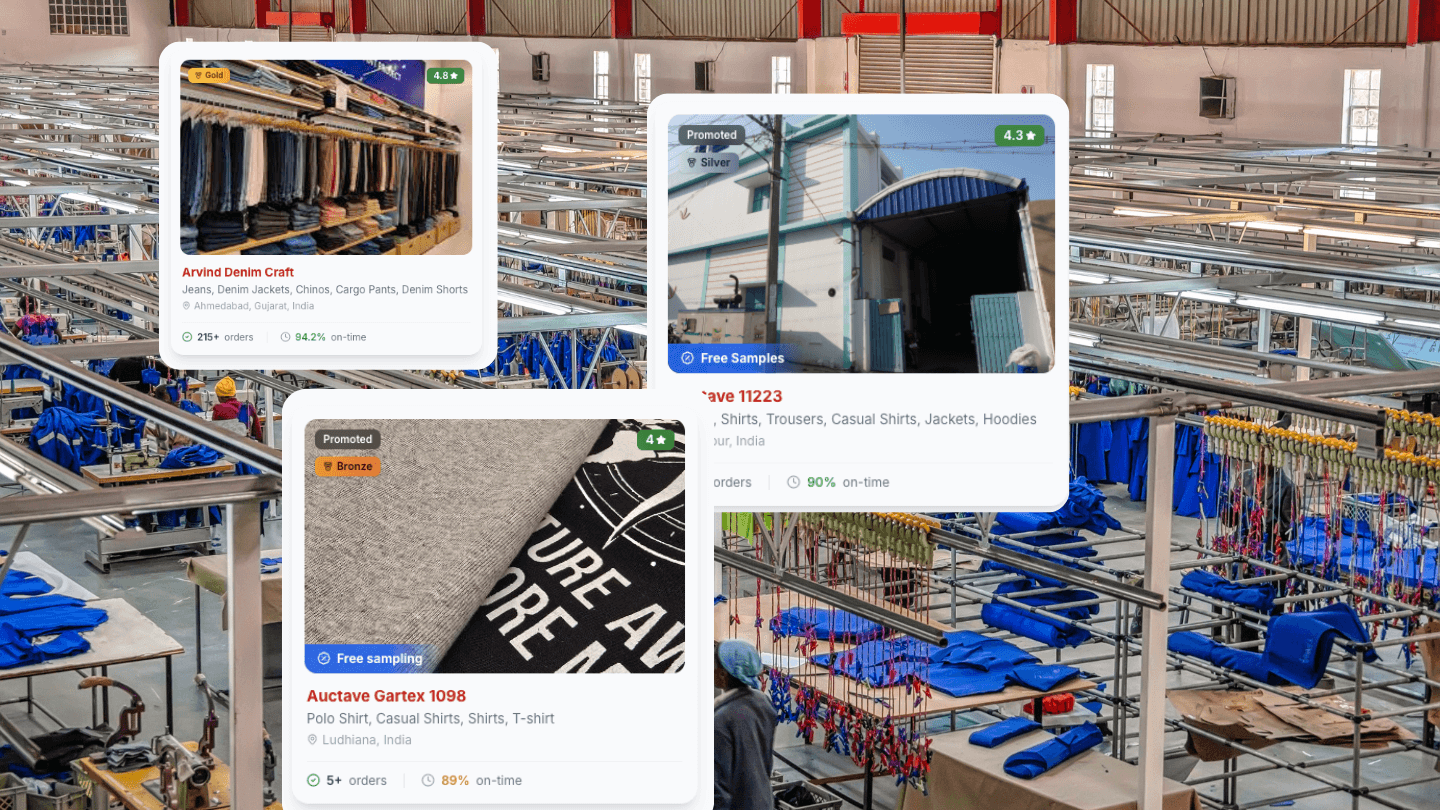
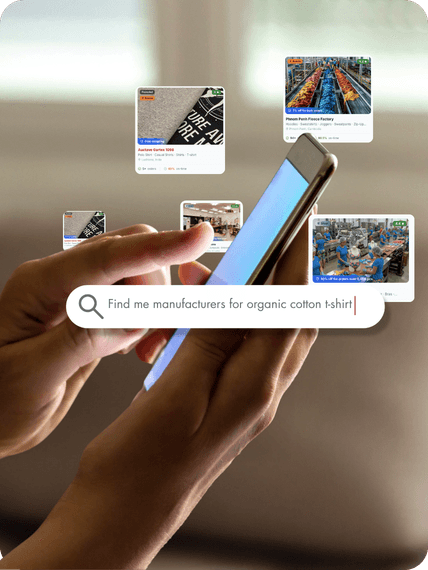
Source from verified factories in Tirupur, Delhi NCR, Bengaluru and Mumbai. Send one brief, compare quotes, and track every order to your warehouse.
0% duty
on Indian apparel into the UK since 15 July 2026
India's strength is range: knitted basics in volume from Tirupur, fashion wovens and embellishment from Delhi NCR, and larger woven programmes from Bengaluru.
India is the first region in Zushi's verified network. Every manufacturer here has passed KYC, a site audit and quality checks before it can quote on your order.
Each hub has its own specialism. Matching the product to the hub is the first filter.
Tamil Nadu
Known for knitwear
India's largest knitwear cluster, next to a long-standing spinning and textile centre. Knitted basics, loungewear and babywear at depth, often with knitting, dyeing and printing close by.
Noida, Gurugram, Okhla
Known for fashion wovens
Export houses making women's tops, dresses and co-ords, with strong embroidery, print and embellishment skills. A good fit for design-led ranges that change every season.
Karnataka, Maharashtra
Known for larger woven programmes
Bengaluru is home to some of India's largest woven-garment exporters, set up for the volumes and compliance that retail programmes expect. Mumbai is a centre for the apparel and fabric trade.
India grows and spins its own cotton and makes viscose and other fibres, so many manufacturers source fabric locally instead of waiting on imported yarn.
From basics in volume to embroidered and hand-finished pieces, one country covers both ends of a range, which makes it practical to consolidate suppliers.
Since the India–UK trade agreement came into force on 15 July 2026, Indian textiles and apparel enter the UK at zero duty. Rules of origin apply, so confirm the fabric source per style.
India and the EU concluded their trade agreement on 27 January 2026, with zero duty on textiles once it applies. It still needs ratification and is expected from 2027.
Minimum order quantities are quoted per style, because they depend on the product, the fabric and the factory. Stock-fabric knitwear usually allows smaller runs than custom-dyed or woven styles.
T-shirts, polos, sweatshirts, hoodies, loungewear
Shirts, blouses, dresses, co-ords
Jeans, chinos, trousers, shorts
Babywear, children's basics, occasion wear
Leggings, sports tops, performance layers
Bed linen, towels, cushion covers, table linen
From one brief to your warehouse. Choose a step to see it in Zushi.
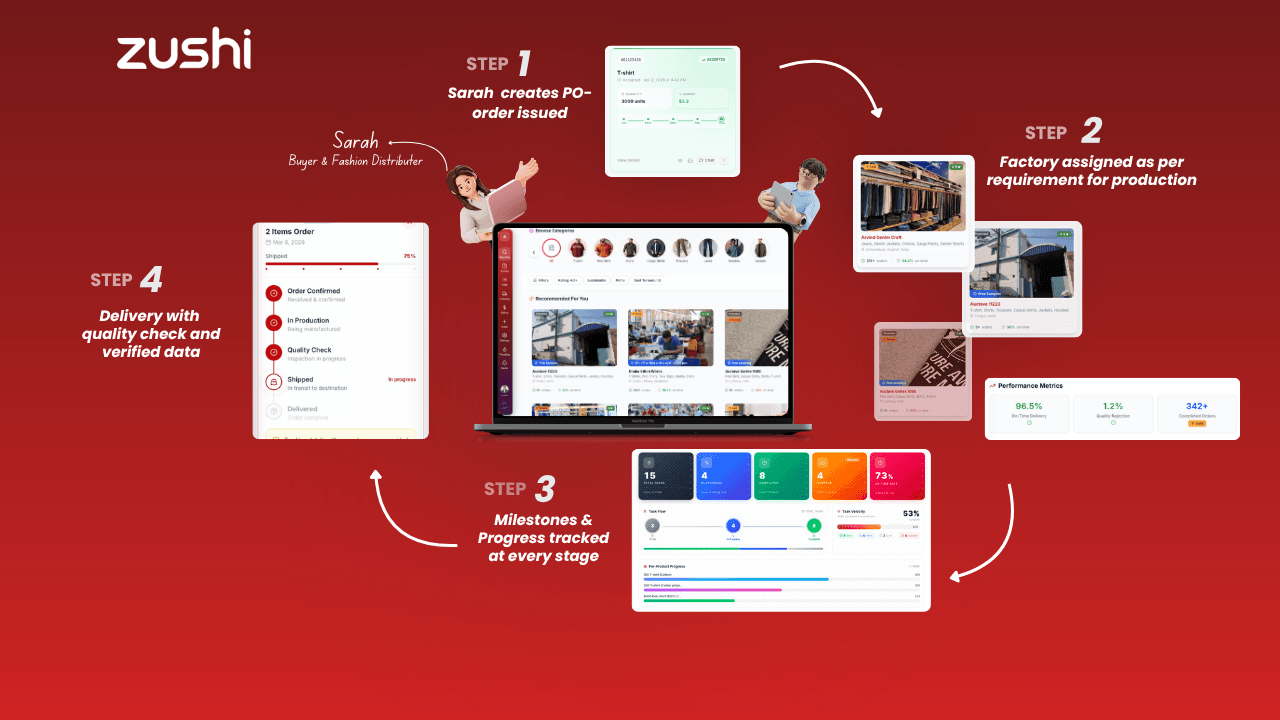
Product, fabric, quantities per style and colour, target cost and delivery date. One brief goes to every manufacturer that makes the category.
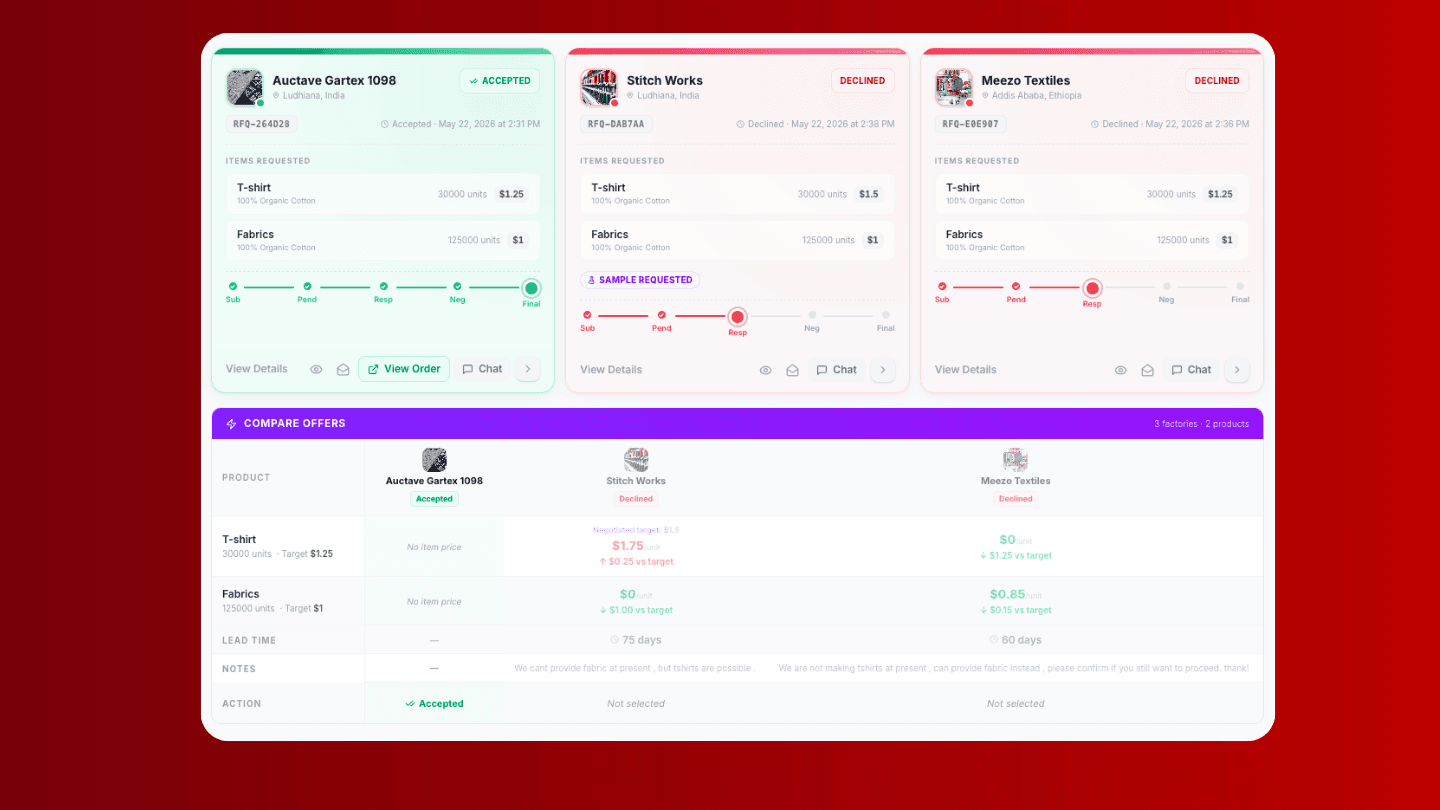
Price, MOQ, lead time and terms from each manufacturer, side by side, against the same brief.
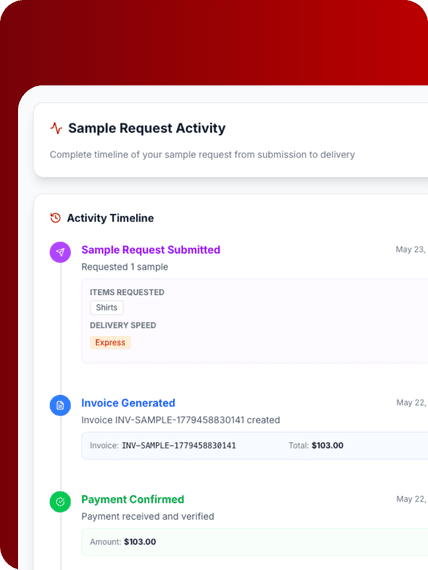
Request, review and approve samples with every comment and revision kept on one timeline.
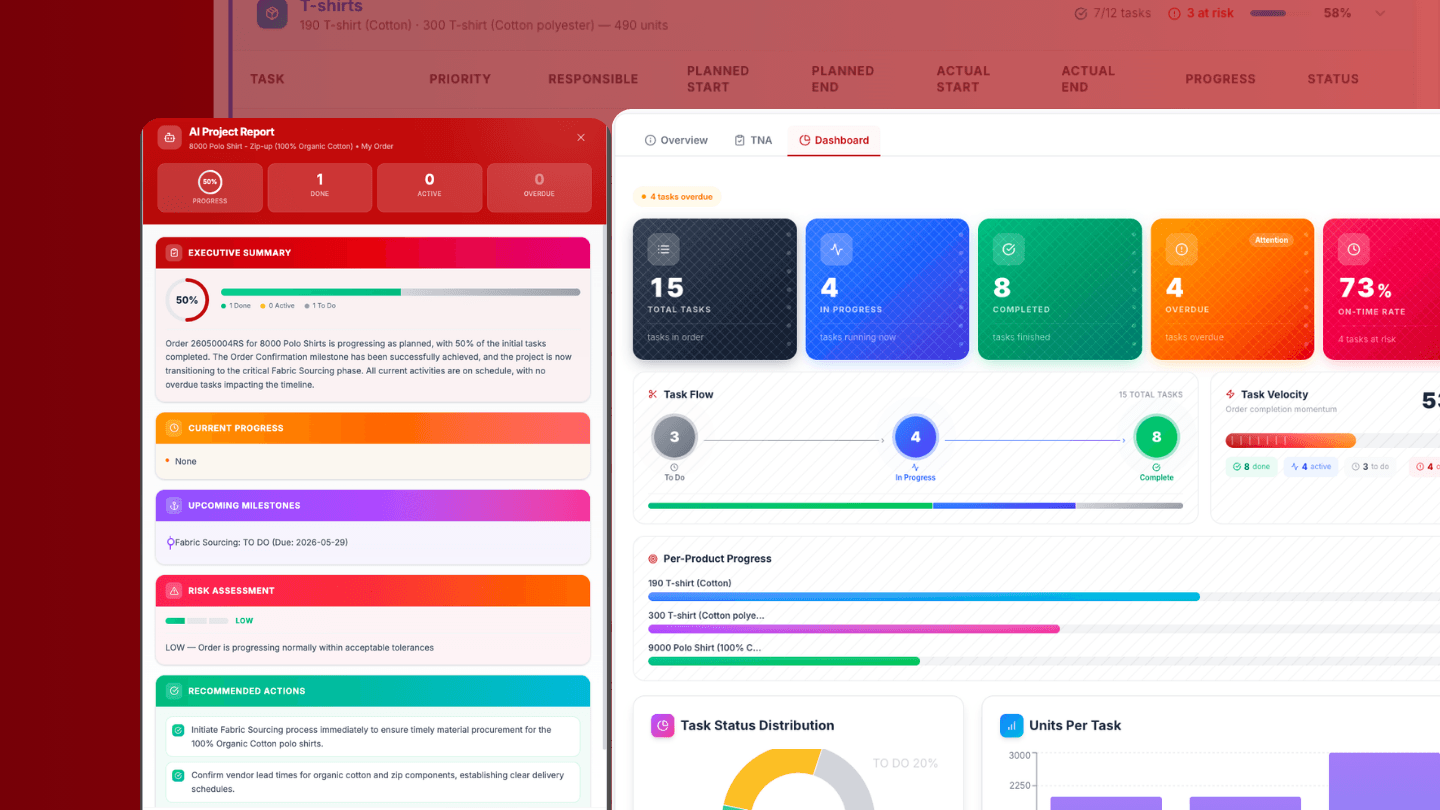
Follow cutting, sewing, finishing and inspection against your milestones, with delays flagged early.
Track the order from the factory in India to your warehouse, with every document kept against it.
See the full workflow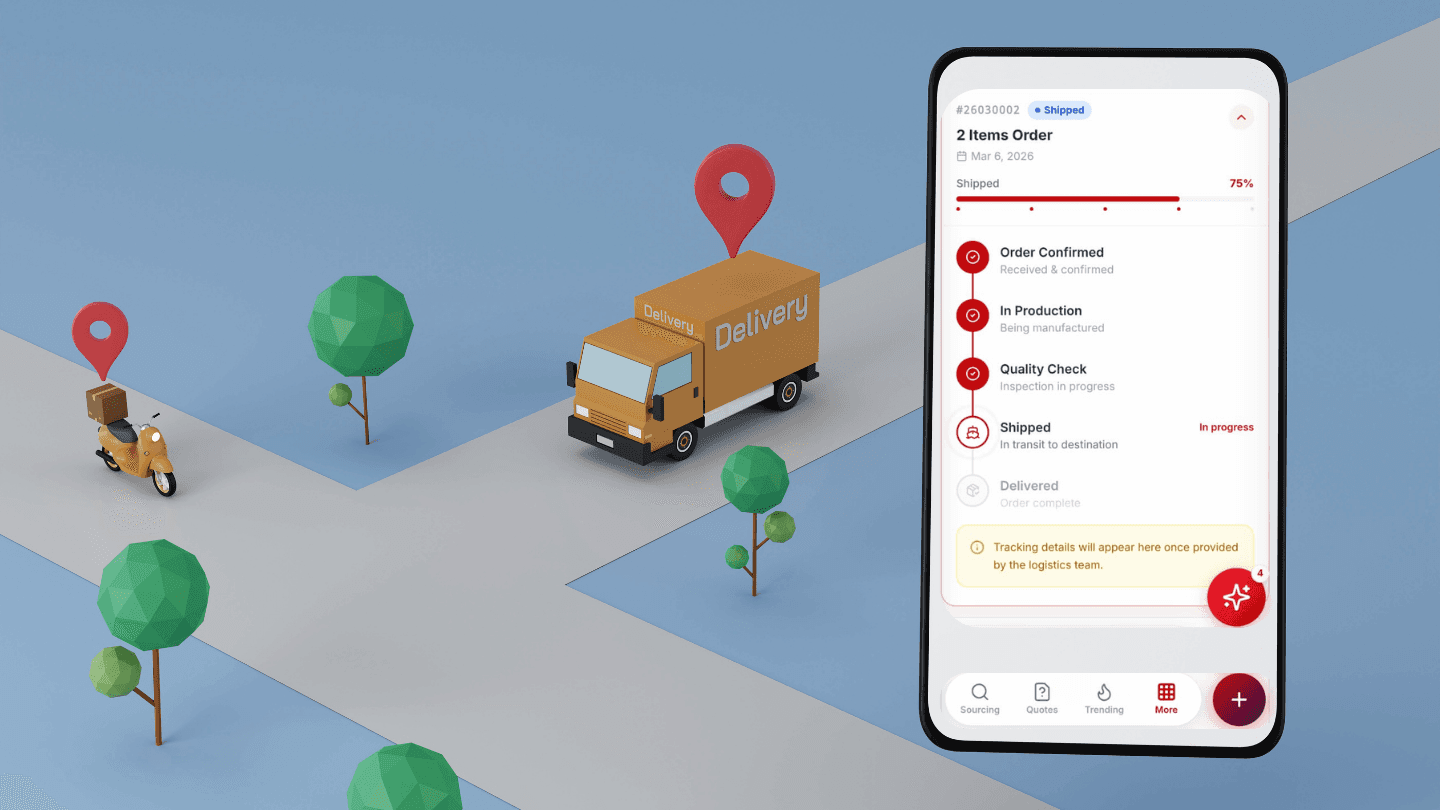
Shortlist by product first (Tirupur for knitwear, Delhi NCR for fashion wovens, Bengaluru for larger woven programmes), then verify the business and the facility before you pay for samples. On Zushi, manufacturers have passed KYC, a site audit and quality checks before they can quote, and you compare their quotes side by side.
It varies with the product, fabric and factory, so Zushi does not publish one figure. Knitted basics in stock fabric usually allow smaller runs than custom-dyed or woven styles. Put your quantity per style and colour in the RFQ and the quotes will show who can take it.
Since 15 July 2026, textiles and apparel from India enter the UK at zero duty under the India–UK trade agreement, provided the goods meet its rules of origin. Check the origin requirements for each style with your customs broker.
Export manufacturers in India commonly hold social audits such as amfori BSCI, Sedex SMETA or WRAP, and product certifications such as GOTS or OEKO-TEX. Holdings differ by factory, so ask for the specific standard your buyer requires. Zushi will tell you whether a given manufacturer holds it.
Send one requirement, compare quotes from verified Indian manufacturers, and track production and shipment in one place.